
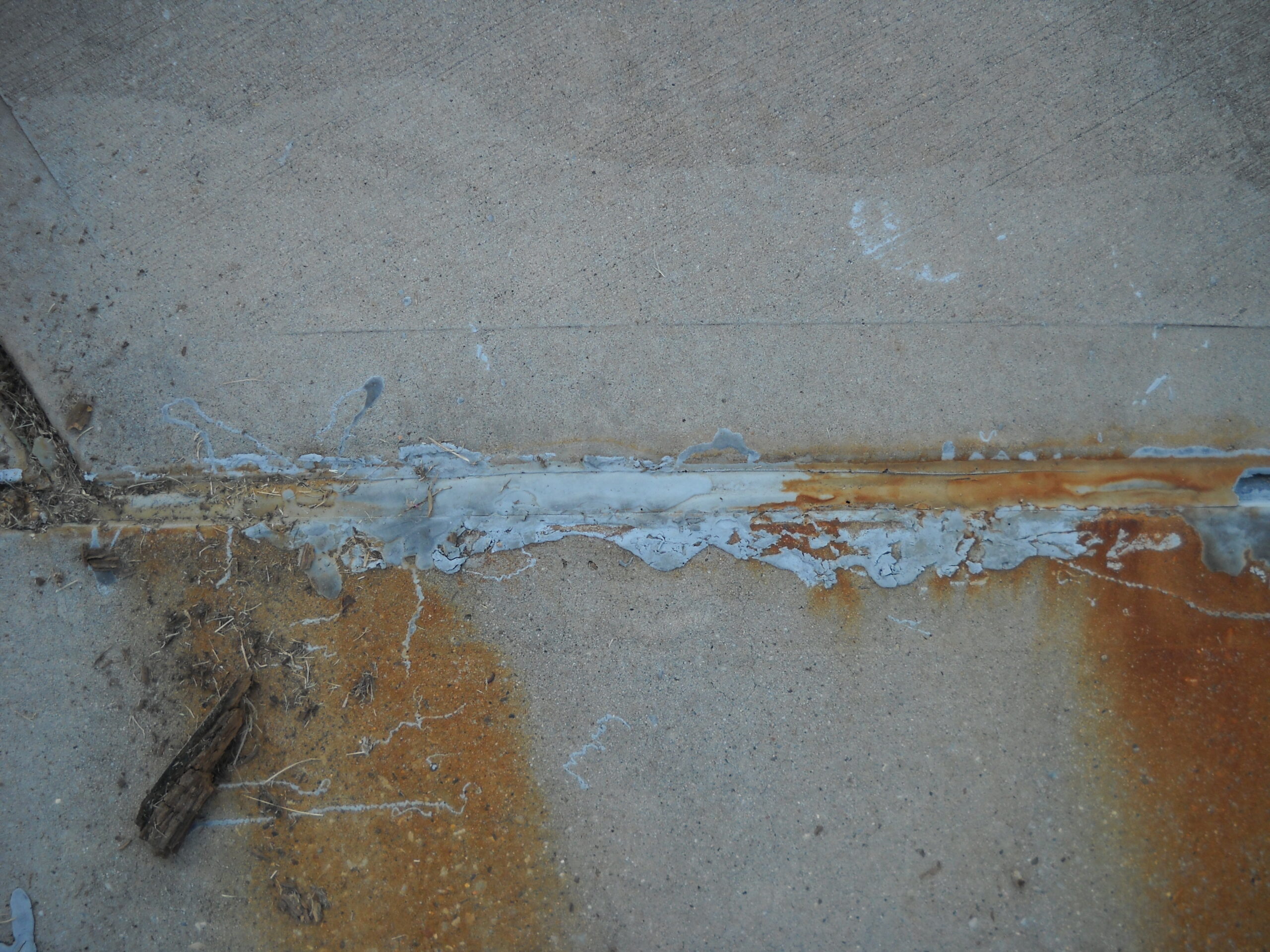
Why “DIY joint sealing” often fails in the real world
There are many online “DIY expansion joint replacement” guides or Videos, but most don’t emphasize the factors that actually control service life: joint design, substrate preparation, cleanliness, dryness, and correct installation sequence. Industry guidance consistently points to the same reality—most joint sealant failures are installation failures, not product failures.
Joint sealing is a system, not a single step
Proper joint sealing is not simply inserting backer rod and applying sealant with a caulking gun. Successful resealing typically follows an established sequence:
- Remove existing sealant/filler
- Re-establish the reservoir geometry (as needed)
- Clean the joint faces thoroughly by Grinding!
- Install correct backup material (backer rod) and bond breaker
- Install sealant under appropriate conditions
That preparation phase is the difference between a seal that lasts and one that debonds, tears, or leaks prematurely.
Preparation requirements that directly impact longevity
1) Clean, sound joint faces
Sealants require clean, structurally sound joint walls for adhesion. Resealing commonly requires mechanical cleaning (grinding) to remove residual sealant, laitance, weak surface paste, and contaminants.
2) Dust removal is not optional
After cutting/grinding/cleaning, the joint must be blown out so dust and debris do not act as a bond breaker. Multiple technical references specify the use of compressed air (or equivalent) immediately prior to sealing.
3) Dryness and install conditions matter
Sealant should be placed only when joint surfaces are dry and ambient/substrate conditions are within the sealant manufacturer’s requirements. Moisture in the joint (or damp joint walls) is a common cause of adhesion failure.
Backer rod selection is a major failure point in DIY work
Backer rod isn’t just “filler.” It is used to:
- control sealant depth (proper joint geometry/shape factor),
- provide a bond breaker to prevent three-sided adhesion, and
- support a sealant profile that can accommodate movement.
In practice, joints vary widely in width due to slab movement, age, and original construction tolerances. Hardware-store backer rod is often limited in size range, and undersized rod leads to poor depth control, inconsistent sealant shape, and reduced movement capability.
Prefabricated fillers don’t eliminate the technical requirements
Preformed or prefabricated joint products can work in the right application, but they still depend on:
- correct sizing to joint width/movement,
- proper joint surface condition, and
- manufacturer-specified installation methods (including primers/adhesives/lubricants where required).
When joints open/close seasonally, products that rely on a “perfect fit” at install can loosen or lose compression if the joint cycles outside the product’s design range.
Material quantities and true project cost are often underestimated
Sealant yield is a function of joint width × depth. Packaging yields are typically listed for smaller bead sizes; larger joints increase usage quickly. Manufacturer product literature and coverage charts should be used to calculate realistic material needs for your joint dimensions.
In addition to sealant, a proper installation often requires:
- appropriate backer rod sizes,
- joint cleaning equipment (cutting/removal tools, grinders, pressure washing as needed),
- blowout equipment, and
- weather/curing considerations.
Why professional joint sealing is worth it
Joint sealing is standard practice in commercial concrete and is widely specified because it helps reduce:
- water intrusion and subgrade erosion,
- staining and deterioration at joint edges,
- trip hazards,
- pest intrusion, and
- overall maintenance cost over time.
At Sealtechs, we treat joint sealing as a controlled process: correct joint preparation, correct backup selection, and correct sealant installation—matched to the project conditions and movement demands.
Serving Houston and the metropolitan area
Call/Text: 832-702-0904

Polyurethane Sealants vs. Preformed Joint Fillers
What works best for real-world concrete joints — and why polyurethane usually wins
When you’re deciding how to seal an expansion joint, you’re really choosing between two different approaches:
- Polyurethane joint sealants (field-applied liquids that adhere to the concrete)
- Preformed joint fillers / preformed seals (factory-shaped materials that are pressed into place)
Both can work in the right setting. But for most residential and light commercial flatwork—driveways, patios, sidewalks, pool decks—polyurethane is usually the better, more reliable choice because it tolerates the messy realities of aging concrete, irregular joint sizes, and movement.
Below is the technical “why.”
1) The biggest misunderstanding: “Preformed” doesn’t mean “install-and-forget”
Many preformed joint filler products are marketed like a simple insert: “push it in and you’re done.” What often gets glossed over is that preformed compression seals commonly require a lubricant/adhesive during installation, and the technical literature notes that for certain installation methods the lubricant may need to be thixotropic (designed to flow under agitation/pressure but stay put at rest).
In other words, the system isn’t just the preformed piece—it’s the preformed piece plus the correct bonding/lubricant approach plus joint geometry that matches the product.
The ACI guidance also mentions “special lubricant adhesives” formulated to both prime and bond where improved contact is required—again reinforcing that adhesion and interface performance are part of the design, not an optional add-on.
The U.S. Army Corps of Engineers makes a similar point: preformed compression seals require a lubricant for installation, and the lubricant also acts as an adhesive bonding the seal to the joint walls.
Takeaway: If a preformed product is sold without clearly explaining the installation chemistry and joint requirements, you’re not being shown the whole system.
2) How each option actually performs
Polyurethane sealants (field-applied)
Polyurethane joint sealants are designed to:
- adhere to properly prepared concrete joint faces
- accommodate movement with elasticity
- create a continuous barrier against water intrusion and debris (when installed correctly)
They’re a “form-in-place” solution, which is why they excel when joints are not perfectly uniform—because the sealant conforms to what you actually have.
Preformed fillers / seals
Preformed systems are generally designed around:
- tight control of joint geometry
- correct compression/fit
- correct installation lubricant/adhesive
- sound joint walls and consistent width
If joint width varies (common in residential slabs), preformed products can lose compression in “wide” spots and become overly tight in “narrow” spots—both of which increase failure risk.
3) The real-world problem: joints are rarely uniform
Residential joints often aren’t “textbook”:
- edges can be chipped/spalled
- old sealant leaves residue
- widths vary across the run due to slab movement
- depth may be inconsistent from earlier repairs
This is where polyurethane usually wins: it adapts.
Preformed fillers, on the other hand, can be unforgiving: if they don’t match the joint’s real geometry and movement range, performance suffers.
4) Installation requirements: where DIY (and many installs) go wrong
Regardless of product, surface prep is everything. Technical guidance consistently emphasizes cleaning and dryness, and the need to remove dust and contaminants that prevent bond/contact.
For example, joint sealing guidance includes steps like:
- thorough cleaning
- ensuring surfaces are clean and dry
- using compressed air to remove dust before sealing
With polyurethane, poor prep shows up as adhesion failure.
With preformed seals, poor prep can show up as poor contact, debonding (where adhesives are used), and leaks.
But here’s the difference:
Preformed systems often add another layer of sensitivity—fit + lubricant/adhesive method + joint geometry—which increases the odds of a “looks good today, fails later” outcome when field conditions aren’t perfect.
5) Where preformed fillers do make sense
To be fair, preformed seals and fillers can be appropriate when:
- joint geometry is consistent (often in controlled commercial/industrial contexts)
- the system is engineered and installed per spec
- the correct lubricant/adhesive method is used
- the expected movement range is well understood
If you have that controlled environment, preformed products can perform well.
6) Why polyurethane is the better choice for most homes and small commercial properties
Polyurethane is typically better when:
- joint widths vary (common)
- the slab has minor edge damage
- you need a continuous seal that conforms to the joint
- you want better aesthetics (color-matching options)
- you want a system that is easier to maintain and repair in the future (cut out and reseal)
Preformed fillers are higher risk when:
- the joint isn’t uniform
- movement is unpredictable
- the install skips the lubricant/adhesive step (or uses the wrong product)
- the product is selected “off the shelf” without verifying sizing and method
Bottom line: For typical Houston-area flatwork, polyurethane gives you the best combination of adaptability, watertight performance, and long-term serviceability—when installed with proper preparation and correct joint design.
Need it done right in Houston?
Sealtechs provides:
- Concrete pouring
- Expansion joint replacement
- Concrete & natural stone treatments/sealers
Serving Houston and all cities within 75 miles.
Call/Text: 832-702-0904
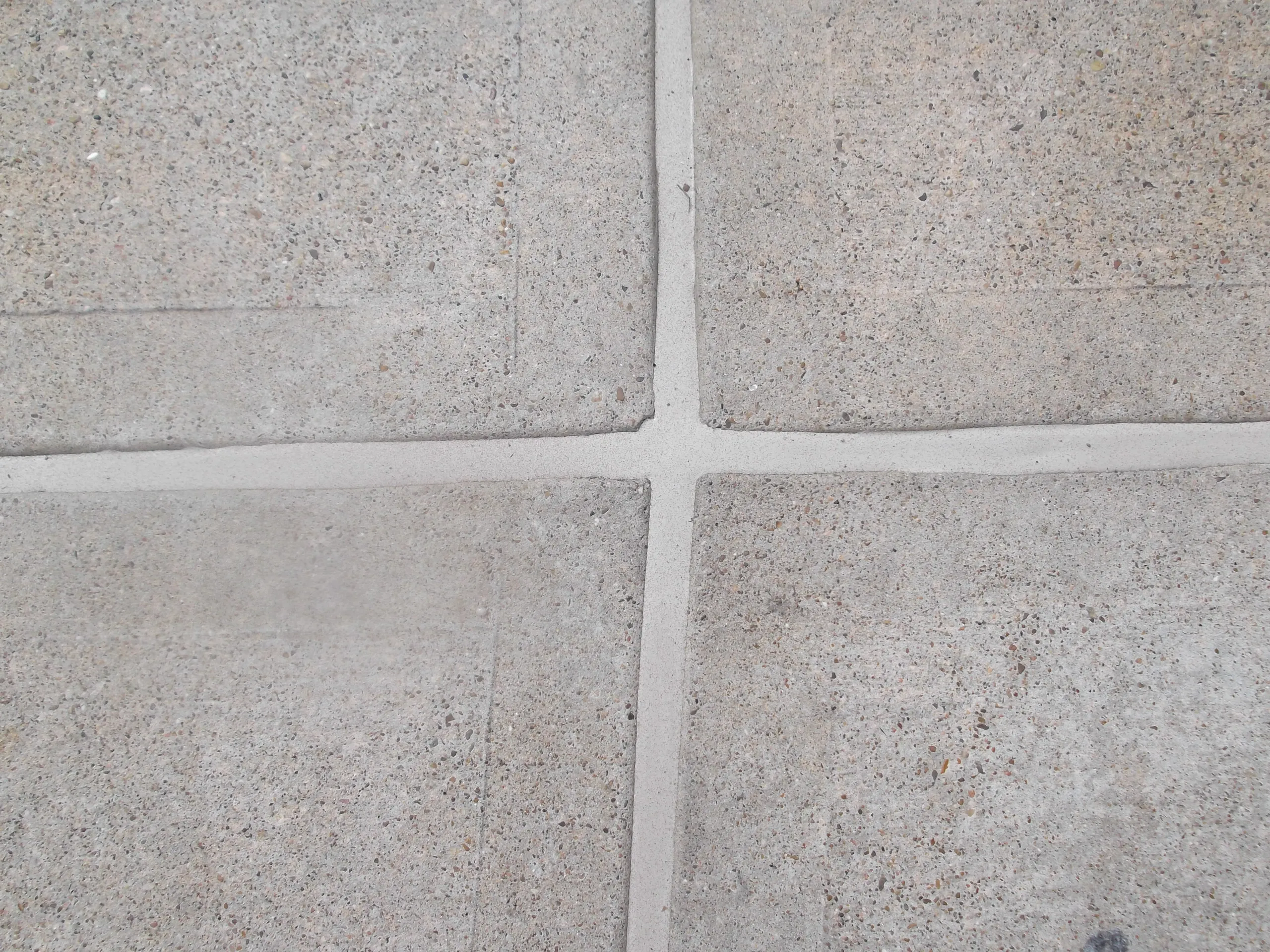
Concrete Joints 101: Designing for Movement and Sealing for Durability
Expansion Joints, Joint Seals, and Waterproofing
Why joints exist — and why protecting them matters
Expansion joints are an integral part of concrete structures. Concrete is not dimensionally “fixed”—it experiences volume change as it cures and throughout its service life. Two of the biggest drivers are drying shrinkage and thermal expansion/contraction caused by temperature swings. If these movements are restrained, stresses build and the structure responds with cracking, distress, or loss of serviceability.
Because of this, joints are intentionally built into many systems to control where movement occurs and to isolate structural elements from one another. Depending on the type of construction—cast-in-place, precast, post-tensioned, composite decks, or slabs-on-grade—joints may be used to isolate ramps, buildings, columns/walls, and large deck areas so movement can occur without tearing the concrete apart.
Why joints open and close
Most joints experience movement because concrete responds to the environment. Daily sun exposure and seasonal temperature changes can cause slabs and decks to expand and contract, leading joints to open and close over time. The larger the temperature change, the more movement potential you can expect.
This movement is exactly why joints exist—they are engineered “relief points.” But that same function also makes joints the most common pathways for water and contaminants.
Joints are collection points for water, salts, and debris
A joint is essentially a gap—so it naturally becomes a place where water, chlorides/salts, dirt, sand, and debris accumulate. On elevated decks and parking structures, that accumulation often ends up as leakage, staining, and accelerated deterioration below. Maintenance guidance for parking structures regularly calls out joint areas as inspection points specifically because leaks and debris buildup at joints are such common problems.
Joints can also create pedestrian and wheel-action issues:
- trip hazards at uneven edges or failed fillers
- impact and tearing from vehicle traffic and equipment
- accelerated edge spalling when water and debris are repeatedly driven into the joint
Joint seals: the “control valve” for movement and watertightness
To reduce these issues, joint seals are installed. But a joint seal isn’t just “caulk in a crack.” A properly designed joint seal must account for:
- Expected movement (how much the joint will open/close)
- Watertightness (preventing infiltration)
- Service conditions (vehicle traffic, equipment loads, and abrasion)
- Pedestrian safety (trip resistance, smooth transitions where needed)
- Repairability (how easily the seal can be maintained or replaced)
This is exactly the kind of criteria emphasized in guidance on sealing joints in concrete structures: movement determination, joint design, sealant selection, installation requirements, and long-term maintenance are all part of the system.
Bottom line: a joint seal should be treated like a performance component, not a cosmetic detail.
Waterproofing vs. protection
Two strategies, one goal: extend service life
When concrete structures deteriorate, water is almost always the “delivery mechanism”—carrying salts/chlorides, driving corrosion risk, and cycling through wet/dry conditions that stress materials over time. That’s why modern durability strategy typically uses both:
Waterproofing (barriers to water movement)
Waterproofing and coatings are used to prevent water from entering (or passing through) a structure via cracks, joints, and failed interfaces. The goal is to reduce infiltration pathways and keep the system dry where it needs to be dry.
Protection (reduce deterioration rate + extend maintenance cycles)
Protection techniques aim to slow deterioration and extend the time between maintenance cycles. That can include surface treatments and sealers that reduce absorption, resist staining, and improve the durability of exposed surfaces—especially in harsh service environments.
In practice, waterproofing and protection can:
- create physical barriers
- enhance surface performance (reduced absorption, better resistance to contaminants)
- reduce the effects of exposure conditions
- limit water migration that accelerates damage mechanisms
Choosing the right approach: what professionals evaluate
Selecting the right joint sealing and waterproofing strategy isn’t one-size-fits-all. A good plan looks at:
- Cause/effect relationships (what’s driving the damage—movement, water, salts, traffic, substrate condition?)
- Useful life expectations (how long should the repair last before refresh?)
- Constructability (access, working conditions, sequencing, downtime)
- Environment (sun exposure, rainfall patterns, ponding water, chemical exposure)
- Aesthetics (color match, finish, visible transitions)
- Cost-benefit (material + labor + future maintenance cycles)
This is why two joints that “look similar” may require different solutions—because the movement, exposure, geometry, and service conditions aren’t truly the same.
How Sealtechs approaches joint sealing and protection
At Sealtechs, we evaluate joints and surfaces based on movement, exposure, and performance requirements—then recommend the best fit for the structure and the service environment.
We serve Houston and all cities within 75 miles with:
- Expansion joint replacement / joint sealing
- Concrete & natural stone treatments and sealers
- Concrete pouring (slabs, driveways, patios, pads, and more)
If you’re seeing joint separation, leakage, staining, debris trapping, trip hazards, or repeated seal failures, it usually means the joint system needs a more engineered approach—proper sizing, proper prep, and a seal designed for the movement and traffic it’s actually experiencing.
Call/Text: 832-702-0904 to schedule an evaluation or estimate.

Sustainability Is Concrete Repair
Sustainability and concrete repair go hand in hand. One of the most practical ways to reduce environmental impact in construction isn’t always building something new—it’s protecting what already exists. Repairing and extending the service life of concrete surfaces and structures helps reduce the demand for new raw materials, lowers energy use associated with demolition and replacement, and cuts down on landfill waste. In many cases, a well-designed repair and protection plan can deliver years of additional service life—with a far smaller environmental footprint than full replacement.
At Sealtechs, we see sustainability as more than a marketing label. It’s a work ethic: repair first, protect second, replace only when necessary. Our approach is built around durable systems that reduce repeat failures, lower long-term maintenance cycles, and keep concrete performing safely and cleanly for the community.
Extending Service Life Is the Green Choice
When concrete is properly repaired and protected—especially at the joints where water and debris enter most easily—it helps slow deterioration and reduces the need for frequent tear-outs. That means fewer trucks, fewer materials, fewer disruptions, and fewer resources consumed over time. The result is better value for the property owner and a measurable benefit to the surrounding community.
We Recycle Old Concrete From Tear-Outs
When replacement is unavoidable, we still work to minimize waste. Sealtechs recycles concrete removed during tear-outs whenever feasible. Instead of sending demolition debris to a landfill, recyclable concrete can be processed and reused as base material for future construction—reducing the need for new aggregate and keeping heavy waste out of the local environment.
Protection Systems That Reduce Waste
Our specialty services are designed around long-term performance:
- Expansion Joint Replacement & Joint Sealing
Properly sealed joints help reduce water intrusion, erosion, staining, and edge deterioration—preventing small issues from becoming large failures. - Concrete & Natural Stone Treatments and Sealers
Surface treatments can reduce absorption, staining, and weathering, extending the life and appearance of concrete and stone and reducing how often surfaces need to be replaced. - Concrete Pouring Done With Long-Term Durability in Mind
When we pour new concrete, we focus on proper prep and finishing practices that support longevity—because the most sustainable concrete is the concrete that lasts.
Sustainability That You Can See
We care about the neighborhoods we serve—because we live and work here too. Cleaner jobsites, reduced waste, and long-lasting repairs mean safer walkways, fewer trip hazards, better drainage performance, and less disruption for homeowners and businesses across Houston and surrounding cities.
The Sealtechs Standard
Sealtechs offers systems and solutions that help ensure sustainable repairs and maximum protection by delivering work that prioritizes:
- Durability
- Reliability
- Repairability
- Responsible material use
- Waste reduction through recycling
In short: sustainability taken to a higher level—through smarter repairs, longer-lasting protection, and responsible job practices.
Serving Houston and the metropolitan area
Call/Text: 832-702-0904
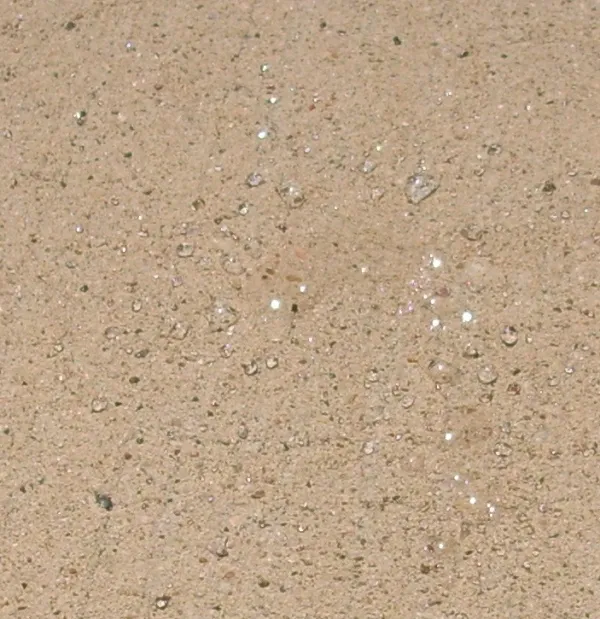
Why Concrete and Natural Stone Should Be Sealed
Protection, appearance, and longer service life—especially in Houston weather
Concrete and natural stone look tough—and they are—but they’re also porous. That means water, oils, dirt, tannins, rust, fertilizers, and everyday grime can soak in and leave permanent staining or accelerate surface wear. Sealing is one of the simplest ways to protect your investment and reduce long-term maintenance.
For homeowners and businesses in Houston and the surrounding area, sealing matters even more because surfaces are constantly challenged by heat, humidity, heavy rain events, algae growth, and rapid weather swings.
What sealing actually does
A quality sealer creates a protective barrier that helps:
- Reduce staining from oil, food, drinks, leaf tannins, rust, and tire marks
- Limit water intrusion that can lead to efflorescence, spalling, and surface deterioration
- Cut down algae/mildew growth by reducing moisture absorption
- Improve cleanability (less pressure washing, easier rinsing)
- Enhance appearance (optional: deepen color, add sheen, “wet look,” or keep natural matte)
- Extend service life by slowing down weathering and wear
Sealing isn’t just about looks—it’s about keeping surfaces from absorbing what they were never meant to absorb.
Where sealing is most beneficial
Sealers are commonly used on:
- Driveways, sidewalks, patios, pool decks, garage floors
- Stamped/decorative concrete
- Pavers
- Natural stone: travertine, limestone, slate, flagstone, sandstone, and more
- Outdoor kitchens and entertainment areas (high stain risk)
The 3 top sealer types you’ll hear about
1) Acrylic sealers (film-forming)
What it is: A topical coating that forms a thin film over the surface—like a “wear layer” that helps block water and stains.
Best for:
- Decorative/stamped concrete
- Surfaces where you want a cosmetic boost (sheen or “wet look”)
- Areas where routine re-coating is acceptable
Pros:
- Great for enhancing color and appearance
- Good water shedding
- Often cost-effective upfront
Watch-outs:
- Can show wear in traffic lanes and may need periodic re-coats
- Can trap moisture if the slab has moisture issues (peeling/whitening risk)
- Some finishes can be slick if the wrong product is used (slip resistance matters)
When it shines: If you want that “freshly finished” look on stamped concrete or decorative work and you’re okay with maintenance re-coats.
2) Penetrating sealers (impregnating)
What it is: A sealer that soaks into the pores and chemically bonds or lines the pore structure, helping repel water and contaminants without leaving a surface film.
Common penetrating categories include:
- Silane/siloxane (water repellency; often used on exterior concrete/masonry)
- Silicate/siliconate densifiers (react to harden/densify concrete near the surface)
- Fluoropolymer-based impregnators (often higher stain resistance; great for some stones)
Best for:
- Natural stone (when you want a natural look)
- Concrete where you want breathability and minimal change in appearance
- High-traffic areas (because there’s no surface film to scuff off)
Pros:
- Usually breathable and less likely to peel
- Minimal appearance change (unless “enhancing” versions are used)
- Often longer-lasting and better for heavy use
- Great for stain resistance on many stones and pavers
Watch-outs:
- Surface prep is crucial—penetrators won’t perform well if pores are clogged with grime, old coatings, or soaps
- Not all stones are the same; the wrong chemistry can discolor or underperform
- Some penetrators are more water-repellent than oil-repellent—matching the sealer to the stain risk matters
When it shines: When you want durable, low-maintenance protection without a glossy coating—especially for natural stone and everyday exterior concrete.
3) Water-based sealers and solutions (low-odor, low-VOC)
What it is: “Water-based” describes the carrier system, not the protection style. Water-based sealers can be:
- Water-based acrylics (film-forming, but typically lower odor and easier cleanup)
- Water-based penetrating/impregnating products (some are designed to soak in and protect without a surface film)
Best for:
- Homeowners who want lower odor and easier application conditions
- Indoor/occupied areas or sensitive environments
- Many concrete and stone surfaces where appearance control is important (matte/satin options)
Pros:
- Lower odor, often lower VOC options
- Easier cleanup and more user-friendly application
- Many modern water-based formulas perform extremely well when matched correctly to the surface
Watch-outs:
- Some water-based film-formers may not match the deep “wet look” of certain solvent-based acrylics
- Dry time and performance depend on humidity, temperature, and surface condition
- Still requires correct prep and correct product selection
When it shines: When you want solid protection with a more environmentally friendly application profile—especially for homes, businesses, and community spaces where odor and compliance matter.
How to choose the right sealer (quick guide)
Ask these four questions:
- What’s the surface? (broom-finish concrete, stamped, pavers, travertine, limestone, etc.)
- What’s the main threat? (oil stains, water intrusion, algae, salt, UV fade, traffic wear)
- What look do you want? (natural/matte vs enhanced color vs glossy/wet look)
- How much maintenance is acceptable? (topical re-coats vs long-life penetrating protection)
General rule of thumb:
- Want a finish/shine? → Acrylic (film-forming)
- Want natural look + durability? → Penetrating
- Want lower odor / user-friendly / many “green” options? → Water-based systems (film-forming or penetrating depending on product)
The part most people skip: prep determines results
Sealers don’t “fix” dirt, stains, moisture issues, or failing coatings. For the best performance, surfaces often need:
- deep cleaning/degreasing (especially driveways)
- removal of failing coatings
- correct dry time before sealing
- correct application rate (too much can haze; too little won’t protect)
If the prep is wrong, even a great sealer will disappoint.
Want it sealed right the first time?
Sealtechs provides professional concrete and natural stone treatments and sealers across Houston and all cities within 75 miles—helping surfaces stay cleaner, safer, and longer-lasting.
Call/Text 832-702-0904 for a quote.
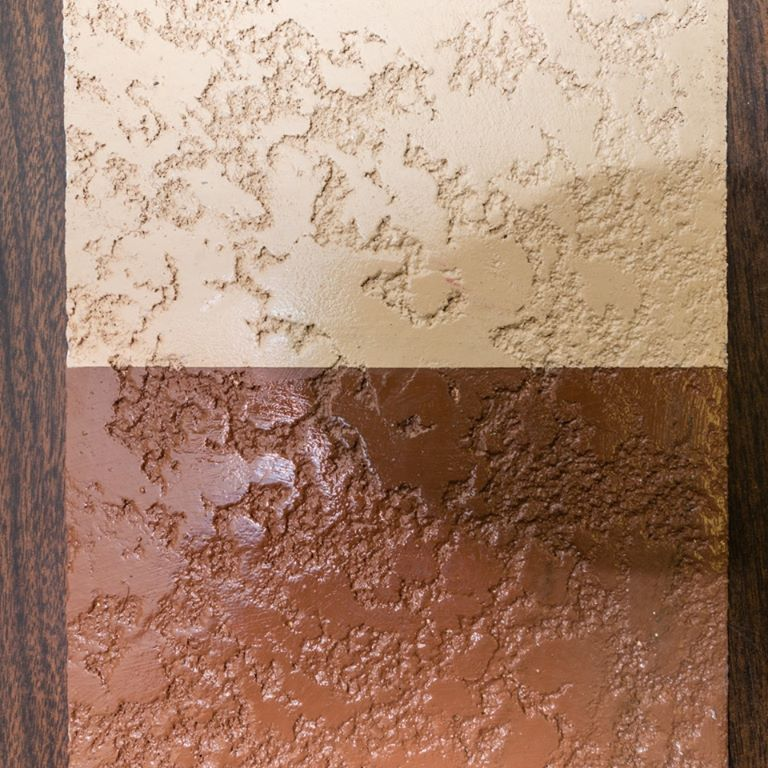
Restore and Recolor Worn Cool Decking Without a Tear-Out
How Sealtechs upgrades old cool deck surfaces using the Westcoat SC-10 water-based acrylic system
“Cool decking” (and many textured pool-deck finishes) take a beating over time—UV exposure, chlorine splash-out, foot traffic, pressure washing, and Houston humidity can leave the surface faded, chalky, and uneven in color. The good news: in many cases you don’t need to demolish and replace the deck to make it look new again.
At Sealtechs, we repair, recolor, and protect worn cool decking using the Westcoat SC-10 water-based acrylic coating system—a proven “color + protection” approach that refreshes appearance while acting as a protective sealer.
Why cool decking fails visually
Most older cool-deck and textured deck finishes start showing the same symptoms:
- Fading and discoloration from UV exposure
- Patchiness from spot repairs, worn traffic lanes, or inconsistent prior coatings
- Chalky residue and surface dryness
- More frequent staining because worn coatings and porous texture absorb contaminants
A proper recoating system fixes the look and restores protection—but only if the surface is prepared correctly.
The system we use: epoxy primer + SC-10 topcoat
A “2-for-1” color and sealer solution
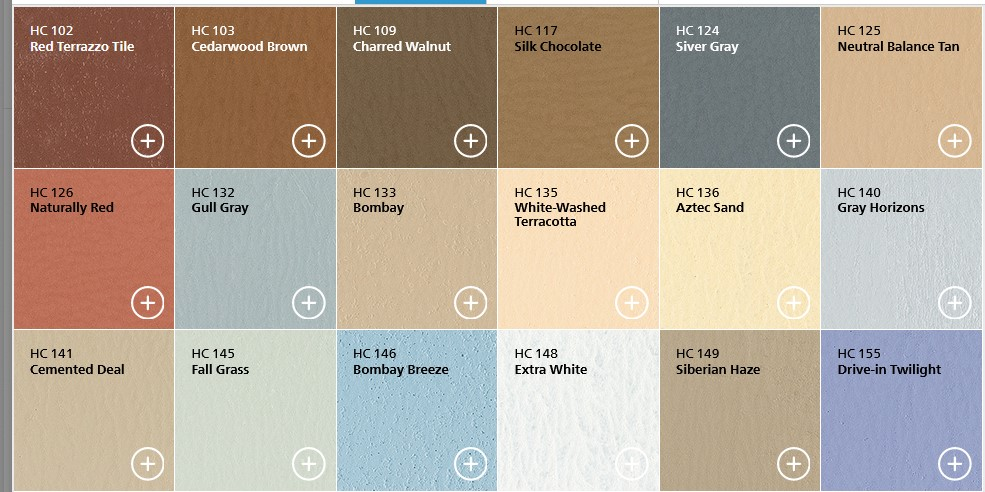
The SC-10 acrylic topcoat is a 100% acrylic, water-based, wear-resistant coating designed for concrete and for use as a topcoat in multiple Westcoat systems. It offers strong hide, UV resistance, and a range of stock colors with factory tint options—so you’re not stuck with “one gray.”
Where this becomes a true long-life restoration is how it’s built:
1) Repairs + proper prep (the part that determines longevity)
Before any coating goes down, we address the realities of old decks—loose material, failed coatings, contamination, and worn texture. Coatings don’t bond to dirt, chalk, or failing layers. Preparation is what separates “looks good this month” from “still looks good years later.”
2) Epoxy primer base coat to maximize bond and reduce peeling risk
We apply an epoxy primer coat as the base layer—this is a key part of the Westcoat epoxy–acrylic approach (commonly shown as the EC-11 water-based epoxy + SC-10 acrylic topcoat system). Westcoat specifically positions this pairing as combining epoxy bonding/toughness with a durable acrylic finish.
What the epoxy primer does for you:
- Improves adhesion to the existing substrate
- Helps “lock down” the surface so the topcoat performs more consistently
- Reduces the chance of early peeling when the deck is properly prepped and coated within spec windows
3) SC-10 acrylic topcoat for color + protection
SC-10 then delivers the finished color and protective layer—functionally acting as a pigmented sealer that renews appearance and improves cleanability.
How long does it last?
With correct preparation, correct primer/topcoat pairing, and normal use, many homeowners see multi-year performance from quality acrylic deck coating systems. Westcoat systems are also designed with inspection/recoat cycles depending on traffic and UV exposure.
Our practical expectation (typical): for many residential pool decks, a professional SC-10 restoration commonly delivers about 8–10 years before most surfaces benefit from a refresh coat—depending on foot traffic, sun exposure, drainage, and maintenance.
(That’s a real-world “typical” range, not a one-size guarantee—your deck conditions determine the result.)
“Beat the Urban Heat” options for cooler surfaces
If surface temperature is a priority—pool decks, walkways, patios, sun-baked slabs—we can build a system using Westcoat’s solar reflective finish options, designed to reduce surface temperatures and help mitigate the Urban Heat Island effect using infrared pigment technology.
This is a strong fit for Houston-area exteriors where comfort and heat-reflectivity matter.
Not just for cool deck: we can transform plain gray concrete too
Have a basic broom-finish slab that’s structurally sound but looks dull? The same approach can be used to upgrade plain concrete with a cleaner, more custom appearance—bringing color, uniformity, and protection to surfaces that otherwise show stains and wear quickly.
Ready to bring your deck back to life?
If your cool decking is faded, blotchy, or worn down, a professional epoxy-primed acrylic restoration can be one of the most cost-effective ways to get a “new deck look” without demolition.
Sealtechs serves Houston and the metropolitan area
Call/Text: 832-702-0904 to schedule an evaluation or estimate.




© 2026. Powered by WordPress Hosting.
- Other Services
- Cool Deck Restoration
- Sealers & Treatments
- Concrete Pouring Projects
- call: 832.702.0904
- mailto:info@sealtechs.com