Why Concrete and Natural Stone Should Be Sealed
Protection, appearance, and longer service life—especially in Houston weather
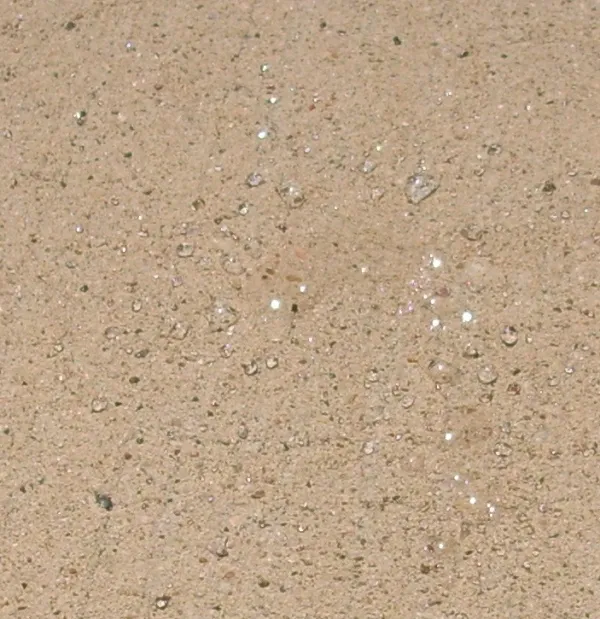
Concrete and natural stone look tough—and they are—but they’re also porous. That means water, oils, dirt, tannins, rust, fertilizers, and everyday grime can soak in and leave permanent staining or accelerate surface wear. Sealing is one of the simplest ways to protect your investment and reduce long-term maintenance.
For homeowners and businesses in Houston and the surrounding area, sealing matters even more because surfaces are constantly challenged by heat, humidity, heavy rain events, algae growth, and rapid weather swings.
What sealing actually does
A quality sealer creates a protective barrier that helps:
Reduce staining from oil, food, drinks, leaf tannins, rust, and tire marks
Limit water intrusion that can lead to efflorescence, spalling, and surface deterioration
Cut down algae/mildew growth by reducing moisture absorption
Improve cleanability (less pressure washing, easier rinsing)
Enhance appearance (optional: deepen color, add sheen, “wet look,” or keep natural matte)
Extend service life by slowing down weathering and wear
Sealing isn’t just about looks—it’s about keeping surfaces from absorbing what they were never meant to absorb.
Where sealing is most beneficial
Sealers are commonly used on:
Driveways, sidewalks, patios, pool decks, garage floors
Stamped/decorative concrete
Pavers
Natural stone: travertine, limestone, slate, flagstone, sandstone, and more
Outdoor kitchens and entertainment areas (high stain risk)
The 3 top sealer types you’ll hear about
1) Acrylic sealers (film-forming)
What it is: A topical coating that forms a thin film over the surface—like a “wear layer” that helps block water and stains.
Best for:
Decorative/stamped concrete
Surfaces where you want a cosmetic boost (sheen or “wet look”)
Areas where routine re-coating is acceptable
Pros:
Great for enhancing color and appearance
Good water shedding
Often cost-effective upfront
Watch-outs:
Can show wear in traffic lanes and may need periodic re-coats
Can trap moisture if the slab has moisture issues (peeling/whitening risk)
Some finishes can be slick if the wrong product is used (slip resistance matters)
When it shines: If you want that “freshly finished” look on stamped concrete or decorative work and you’re okay with maintenance re-coats.
2) Penetrating sealers (impregnating)
What it is: A sealer that soaks into the pores and chemically bonds or lines the pore structure, helping repel water and contaminants without leaving a surface film.
Common penetrating categories include:
Silane/siloxane (water repellency; often used on exterior concrete/masonry)
Silicate/siliconate densifiers (react to harden/densify concrete near the surface)
Fluoropolymer-based impregnators (often higher stain resistance; great for some stones)
Best for:
Natural stone (when you want a natural look)
Concrete where you want breathability and minimal change in appearance
High-traffic areas (because there’s no surface film to scuff off)
Pros:
Usually breathable and less likely to peel
Minimal appearance change (unless “enhancing” versions are used)
Often longer-lasting and better for heavy use
Great for stain resistance on many stones and pavers
Watch-outs:
Surface prep is crucial—penetrators won’t perform well if pores are clogged with grime, old coatings, or soaps
Not all stones are the same; the wrong chemistry can discolor or underperform
Some penetrators are more water-repellent than oil-repellent—matching the sealer to the stain risk matters
When it shines: When you want durable, low-maintenance protection without a glossy coating—especially for natural stone and everyday exterior concrete.
3) Water-based sealers and solutions (low-odor, low-VOC)
What it is: “Water-based” describes the carrier system, not the protection style. Water-based sealers can be:
Water-based acrylics (film-forming, but typically lower odor and easier cleanup)
Water-based penetrating/impregnating products (some are designed to soak in and protect without a surface film)
Best for:
Homeowners who want lower odor and easier application conditions
Indoor/occupied areas or sensitive environments
Many concrete and stone surfaces where appearance control is important (matte/satin options)
Pros:
Lower odor, often lower VOC options
Easier cleanup and more user-friendly application
Many modern water-based formulas perform extremely well when matched correctly to the surface
Watch-outs:
Some water-based film-formers may not match the deep “wet look” of certain solvent-based acrylics
Dry time and performance depend on humidity, temperature, and surface condition
Still requires correct prep and correct product selection
When it shines: When you want solid protection with a more environmentally friendly application profile—especially for homes, businesses, and community spaces where odor and compliance matter.
How to choose the right sealer (quick guide)
Ask these four questions:
What’s the surface? (broom-finish concrete, stamped, pavers, travertine, limestone, etc.)
What’s the main threat? (oil stains, water intrusion, algae, salt, UV fade, traffic wear)
What look do you want? (natural/matte vs enhanced color vs glossy/wet look)
How much maintenance is acceptable? (topical re-coats vs long-life penetrating protection)
General rule of thumb:
Want a finish/shine? → Acrylic (film-forming)
Want natural look + durability? → Penetrating
Want lower odor / user-friendly / many “green” options? → Water-based systems (film-forming or penetrating depending on product)
The part most people skip: prep determines results
Sealers don’t “fix” dirt, stains, moisture issues, or failing coatings. For the best performance, surfaces often need:
deep cleaning/degreasing (especially driveways)
removal of failing coatings
correct dry time before sealing
correct application rate (too much can haze; too little won’t protect)
If the prep is wrong, even a great sealer will disappoint.
Want it sealed right the first time?
Sealtechs provides professional concrete and natural stone treatments and sealers across Houston and all cities within 75 miles—helping surfaces stay cleaner, safer, and longer-lasting.
Call/Text 832-702-0904 for a quote.




© 2026. Powered by WordPress Hosting.
- Other Services
- Cool Deck Restoration
- Sealers & Treatments
- Concrete Pouring Projects
- call: 832.702.0904
- mailto:info@sealtechs.com